


June 17, 2026
Support Workers: A Meaningful Impact on Family Stability and Quality of Life

Support workers in the Kingdom of Saudi Arabia are no longer merely a helping element in the details of daily life. They have become an important part of the system of family and social stability.
With the development of lifestyle, the expansion of family responsibilities, and the increasing needs related to work, education, care, and transportation, the presence of support workers has become a supportive factor that helps families manage their time and effort more efficiently.
From this standpoint, the #They_Have_An_Impact campaign comes to highlight the vital role played by support workers in supporting families, enhancing quality of life, and spreading a culture of appreciation and mutual respect between families and workers in this sector.
A Daily Partner in Organizing Family Life
Support workers perform multiple roles within the family, and their impact is not limited to completing daily tasks only. It also extends to supporting the daily balance of household members.
Having someone who supports the family in household tasks and repetitive duties reduces daily pressure and gives family members more space to focus on work, education, care, and social commitments.
The importance of this role appears through:
- Organizing household affairs and reducing daily burdens.
- Supporting families in caring for children and the elderly.
- Supporting groups that need special care.
- Providing a calmer and more stable home environment.
- Helping family members invest their time better.
- Reducing the pressures resulting from multiple daily responsibilities.
This role makes support workers part of the operational structure of modern family life, as they contribute to improving quality of life by saving time, reducing distraction, and raising the level of comfort inside the home.
Diversity of Roles and Wider Impact
Support workers go beyond the limited concept associated only with household tasks. They include several specializations that serve different needs within the family and society.
This includes caregivers, drivers, household support workers, and other groups that contribute to facilitating daily life.
The impact of this diversity appears in several aspects, including:
- Supporting the family in managing household affairs.
- Providing daily care for the elderly and children.
- Facilitating daily transportation for large families.
- Contributing to the preservation of residential properties.
- Supporting stability inside residential complexes and homes.
- Increasing the efficiency of daily life and reducing pressure on the family.
Through this diversity, support workers become more than just a service. They become an integrated support system that helps families keep pace with the requirements of modern life.
An Indirect Economic and Social Impact
The presence of support workers contributes indirectly to supporting the productivity of family members.
When a family is able to organize its daily responsibilities, its members become more capable of focusing on work, education, skill development, or participation in economic and social activities.
This impact is especially evident in supporting working women, as family support helps reduce daily burdens, giving them a greater ability to continue in the labor market and achieve balance between their professional and family responsibilities.
The development of the support workers sector from individual practices into more organized models through human resources companies has also contributed to enhancing governance, raising service quality, and providing more flexible solutions for families, whether through monthly services, hourly services, or specialized care services.
Respect as the Foundation of a Sustainable Relationship
Despite the importance of the practical role of support workers, the human aspect remains the foundation.
Every male and female worker has a story, a family, ambitions, and goals they seek to achieve. Therefore, kind treatment and sincere appreciation are not merely ethical behavior, but an important factor in building a stable and healthy relationship between the family and support workers.
The culture of appreciation appears through simple practices, such as:
- Using words of thanks and gratitude.
- Dealing with respect and clarity.
- Appreciating the effort made in daily tasks.
- Considering the human aspect of the male or female worker.
- Building a relationship based on trust and understanding.
- Providing a stable and positive work environment.
These small details create a major impact, because they enhance the feeling of value and belonging, and reflect positively on the quality of the relationship inside the home.
Toward a More Organized and Higher-Quality Future
The support workers sector is moving toward further development, especially with the increasing need for more specialized services such as home care, childcare, elderly care, and supporting the needs of the modern family.
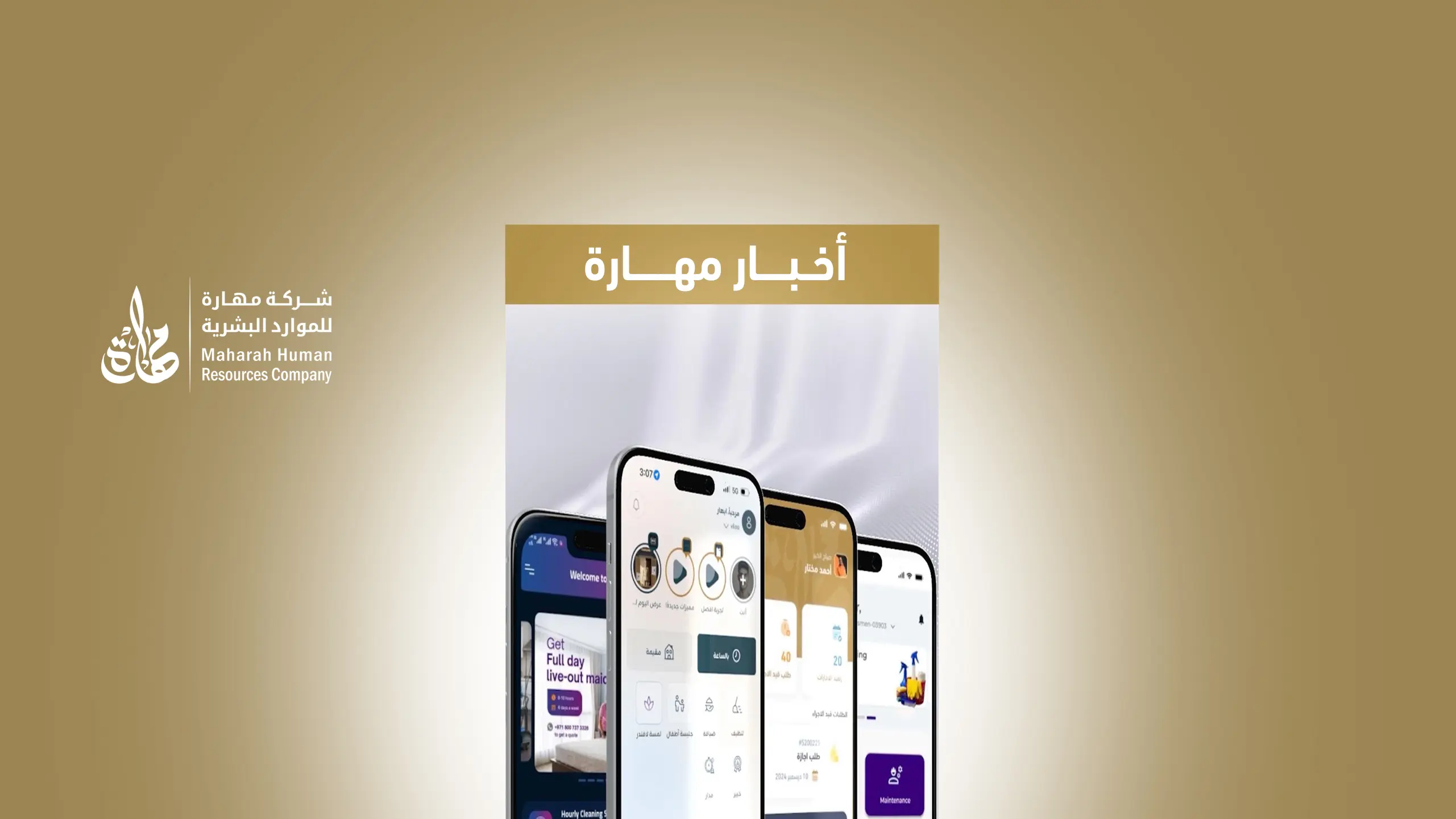
Digital solutions have also become an essential part of developing this sector by facilitating access to services, improving customer experience, and raising the efficiency of follow-up and quality.
With the continued development of systems and legislation, the sector becomes more capable of achieving balance between service quality, protection of rights, and raising the level of trust between all parties.
Conclusion
Quality of life is not achieved only through the availability of services, but through the way they are provided and the nature of the relationship between those who provide the service and those who benefit from it.
From here, appreciating support workers and respecting their role is part of building a more aware, humane, and stable society.
Behind every more organized home, every more balanced family, and every more comfortable daily life, there are people working silently and leaving an impact that deserves to be seen and appreciated.
#They_Have_An_Impact